
A variety of factors can cause hip pain, including arthritis, injuries, tendonitis, bursitis, or issues with muscles and ligaments surrounding the hip joint. In some cases, it may also result from nerve irritation or problems in the lower back and knees.
Treatment Approaches
Regenerative Therapies
Our cutting-edge nonsurgical services support long-term hip health by reducing inflammation, enhancing joint function, and giving you a better quality of life.
Sports Medicine
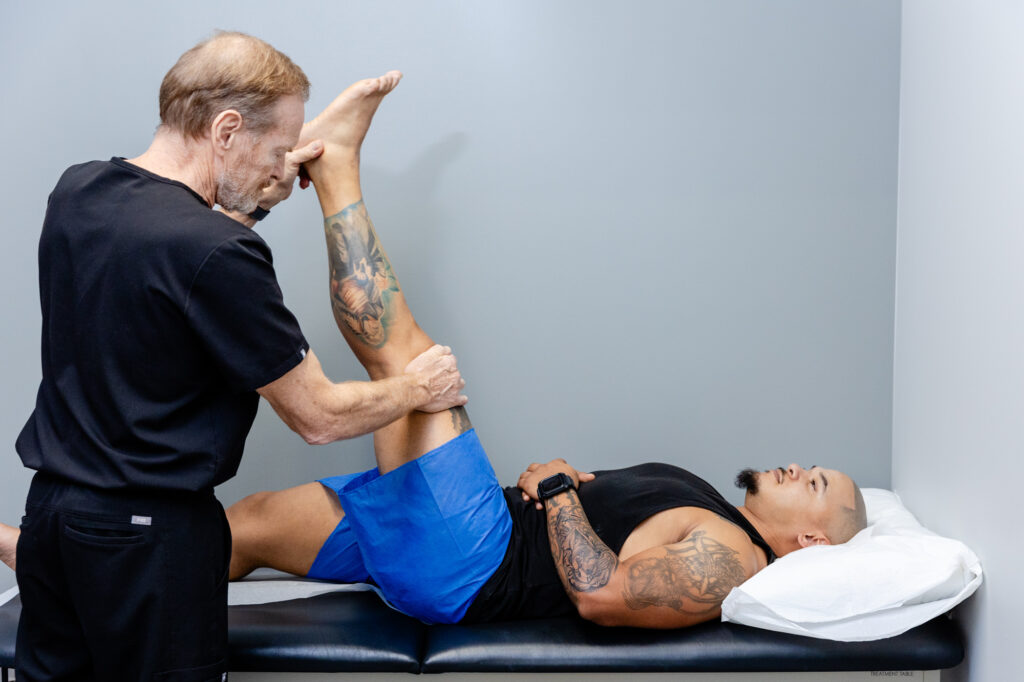
Our expert team specializes in rehabilitative care to restore strength, flexibility, and agility after hip injuries. We develop care plans to help you move confidently again.
Joint Injections
We offer regenerative procedures like PRP, BMAC, and prolozone to promote natural healing and pain relief. These injections assist in lasting recovery and repair.

Consultation

Treatment

Results
Find Your Solution
Flexibility
Mobility
Joint Pain

Use our interactive tool to discover how we personalize your healing approach based on your unique needs.

Prolozone Injections
Prolozone uses medical-grade oxygen and ozone to stimulate tissue regeneration and increase blood flow.

PRP Injections
Using concentrated platelets, this treatment stimulates tissue healing and pain relief.

Weight Loss Injections
These injections support weight management, reducing the strain on your body and improving overall mobility.
If you’re looking for hip pain relief in Southlake, you should seek us out if your symptoms are persistent, worsening, or affecting your ability to move. If OTC medications and rest don’t help, or if you experience swelling, bruising, or reduced range of motion—it’s time to come see us.
Maintaining hip health and physical ability is essential for preventing chronic pain. We recommend targeted exercise, weight management, and regeneration therapies to support enduring movement. Our team specialties in natural solutions that stimulate healing and ease inflammation.
Find Lasting Relief From Hip Pain
Hip discomfort can make even simple movements feel challenging, limiting your ability to stay active and enjoy daily life. At B.O.B., we take a science-backed, patient-first approach to hip pain relief—helping you move comfortably, recover faster, and avoid unnecessary surgery.
What’s Behind Your Hip Pain?
Hip strain is more than just an inconvenience. It’s a signal that something deeper is affecting your mobility, stability, or overall joint health. Whether it develops gradually or appears suddenly, discomfort in the hip can limit movement, disrupt daily life, and even radiate to other areas like the lower back, thighs, or knees.
The causes of hip concerns vary widely, from age-related wear and tear to sports injuries or underlying inflammatory conditions. Some people experience stiffness and discomfort that worsens over time, while others deal with sharp, sudden pain because of acute injuries. Regardless of the cause, the key to effective care is identifying the root problem—not just managing the symptoms.
At B.O.B., we take a comprehensive approach to hip pain relief in Southlake. We evaluate hip capability, movement patterns, and overall musculoskeletal health to determine the best course of action. By finding the exact source of strain, we help patients regain dexterity, prevent further damage, and restore long-term movement.
Common Causes of Hip Pain
Hip concerns can range from degenerative changes to acute injuries. No matter the cause of your symptoms, identifying the underlying cause is the first step for effective treatment.
Degenerative and Inflammatory Conditions
- Osteoarthritis is a progressive condition where the cartilage cushioning the hip joint wears down as we age, leading to stiffness, pain, and limited movement.
- Bursitis consists of inflammation of the bursa sacs, which act as cushions between bones and soft tissues. This condition often causes sharp or aching pain, especially with movement.
- Tendonitis is when irritation or inflammation of the tendons surrounds the hip, typically because of overuse, repetitive movements, or strain.
Structural and Injury-Related Causes
- Labral tears occur when the cartilage rim (labrum) around the hip socket becomes damaged, causing instability, clicking sensations, and persistent discomfort.
- Hip impingement (FAI) is a condition where irregular bone growth limits movement, causing pain, stiffness, and difficulty with activities like squatting or sitting for long periods.
- Hip fractures and injuries pertain to trauma from falls, accidents, or sports injuries. This trauma can cause fractures, sprains, or muscle damage that significantly impacts hip operation.
At B.O.B., we take a whole-body approach to diagnosing and treating hip pain. Instead of masking symptoms, we focus on restoring mobility, reducing discomfort, and preventing future complications.
Hip Pain Prevention
People over the age of 65, especially women, are highly vulnerable to hip fractures and pain. Preventing hip pain starts with maintaining strong, flexible muscles and practicing healthy habits.
Regular exercises such as walking, swimming, or strength training can help stabilize and protect the hip structure. Maintaining a healthy weight also reduces stress on the hips, lowering the risk of conditions like arthritis. Proper stretching before activities and maintaining good posture can further prevent injuries.
At B.O.B., we practice proactive care. Early intervention and regular checkups with our specialists can address minor issues before they become severe.
RICE
Dr Bayless and his physician assistants might recommend RICE therapy (Rest, Ice, Compression, Elevation) for managing hip pain from overuse or minor injuries. This method helps alleviate swelling, inflammation, and pain:
Dr Bayless and his physician assistants might recommend RICE therapy (Rest, Ice, Compression, Elevation) for managing hip pain from overuse or minor injuries. This method helps alleviate swelling, inflammation, and pain:
Rest: Limit activity to avoid further injury and give the joint time to heal.
Ice: Apply ice packs to alleviate swelling and numb the area.
Compression: Use a bandage or wrap to prevent excessive swelling.
Elevation: Keep your treated area above heart level when lying down to lessen fluid buildup.