Understanding The Hip
The hip is one of the most complex and essential weight-bearing structures in the body. This ball-and-socket joint connects the femur (thigh bone) to the pelvis (bony structure at the base of the spine), allowing for a wide range of motion while stabilizing body weight during movement.
A healthy hip relies on strong muscles, stable ligaments, and smooth cartilage to perform properly. Any injury or disease of the hip will adversely affect the hip’s ability to move and capability to bear weight. When injury, arthritis, or degeneration affect any of these structures, ease of motion, balance, and stability can suffer.
Key Components of the Hip
- Bones: The thigh bone (femur) fits into the hip socket (acetabulum) of the pelvis. This connection forms the ball-and-socket structure that enables movement.
- Cartilage: The articular cartilage covering the femoral head (rounded, ball-shaped top of the femur) allows smooth, friction-free motion.
- Ligaments: Strong iliofemoral (front hip stabilizer), pubofemoral (prevents excess movement), and ischiofemoral (supports the back of the hip) ligaments help to keep the joint stable and prevent dislocation.
- Muscles and Tendons: The gluteal muscles (buttocks muscles that power movement), hip flexors (front hip muscles that lift the leg), and adductors (inner thigh muscles that stabilize the hip) provide strength, stability, and functionality.
- Nerves and Blood Vessels: Running from the lower spine down the leg, the sciatic nerve (the body’s largest nerve, responsible for leg movement and sensation) works alongside major blood vessels to supply the hip, ensuring proper circular and range of motion.
When one or more of these components becomes damaged, inflamed, or weakened, hip pain and range of motion issues can develop—making expert care essential.
Our Process
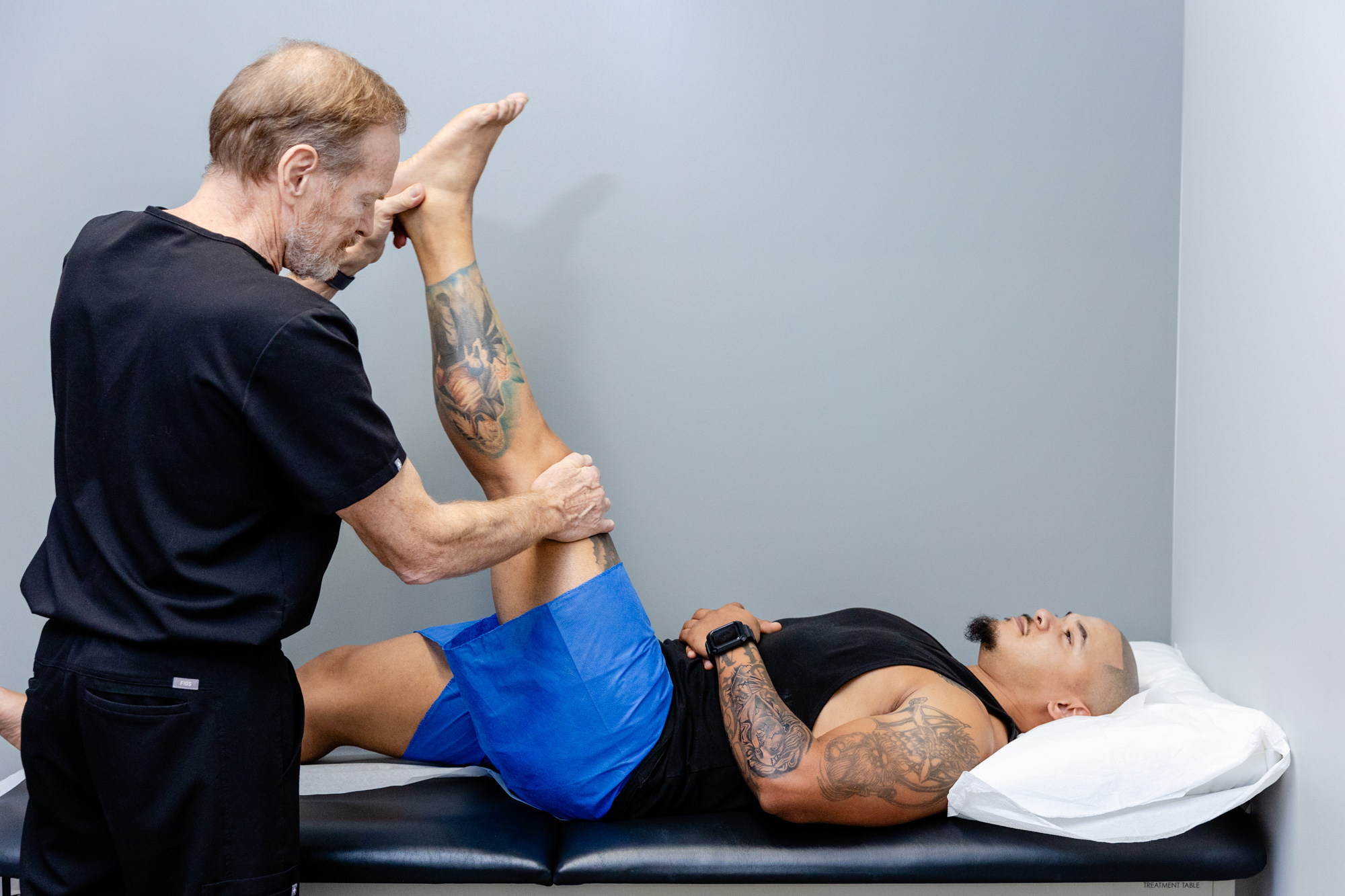
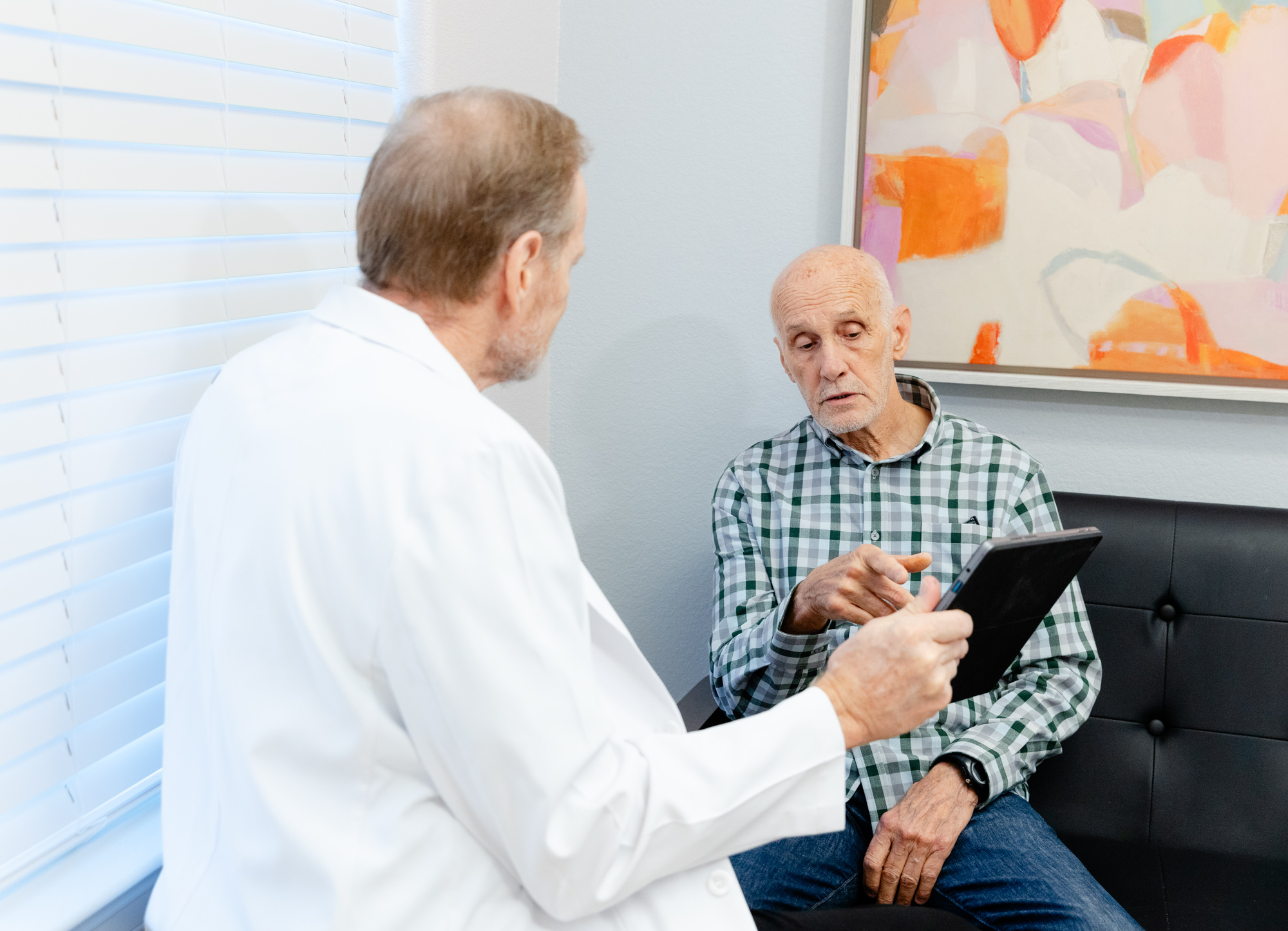
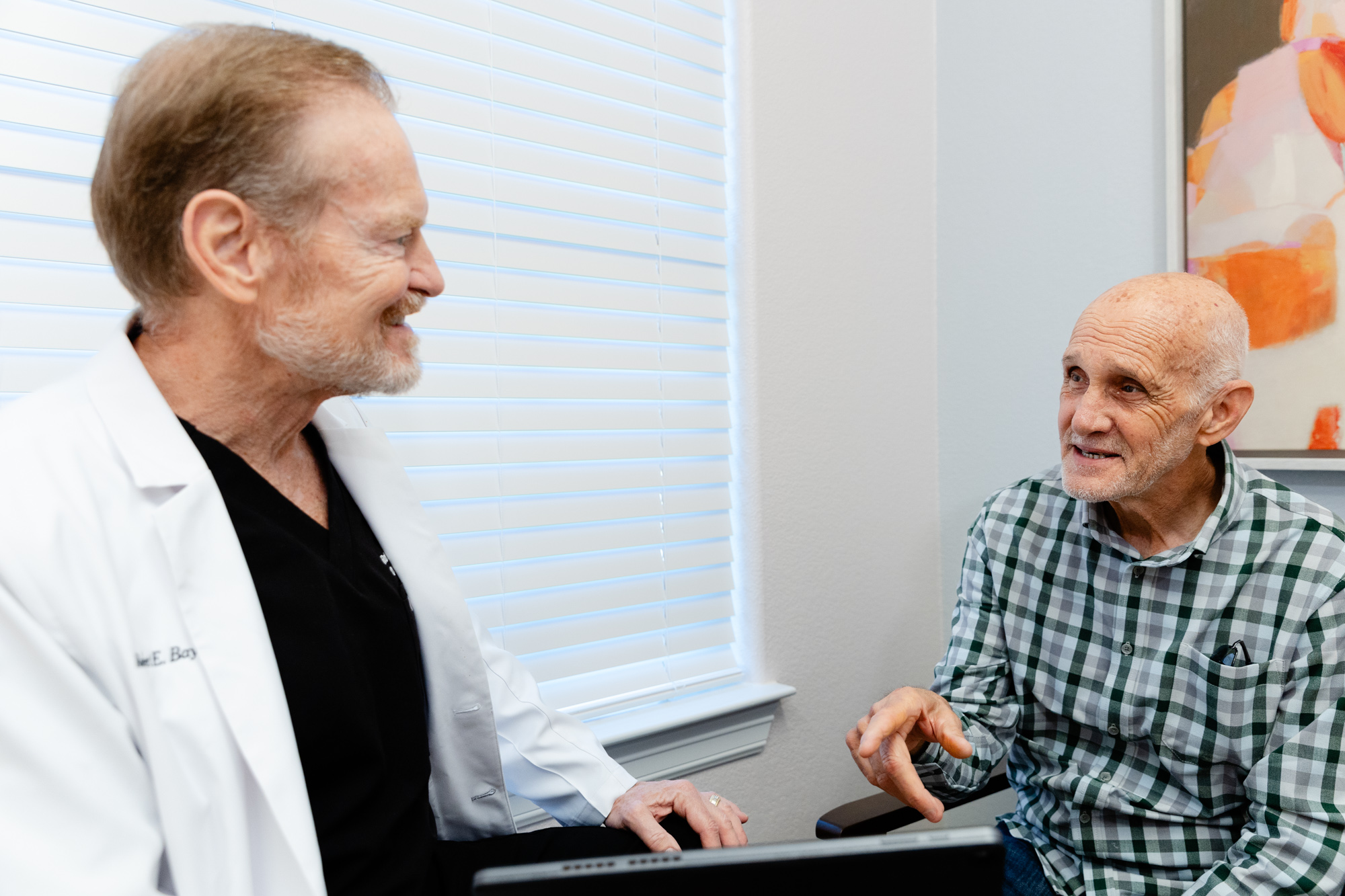
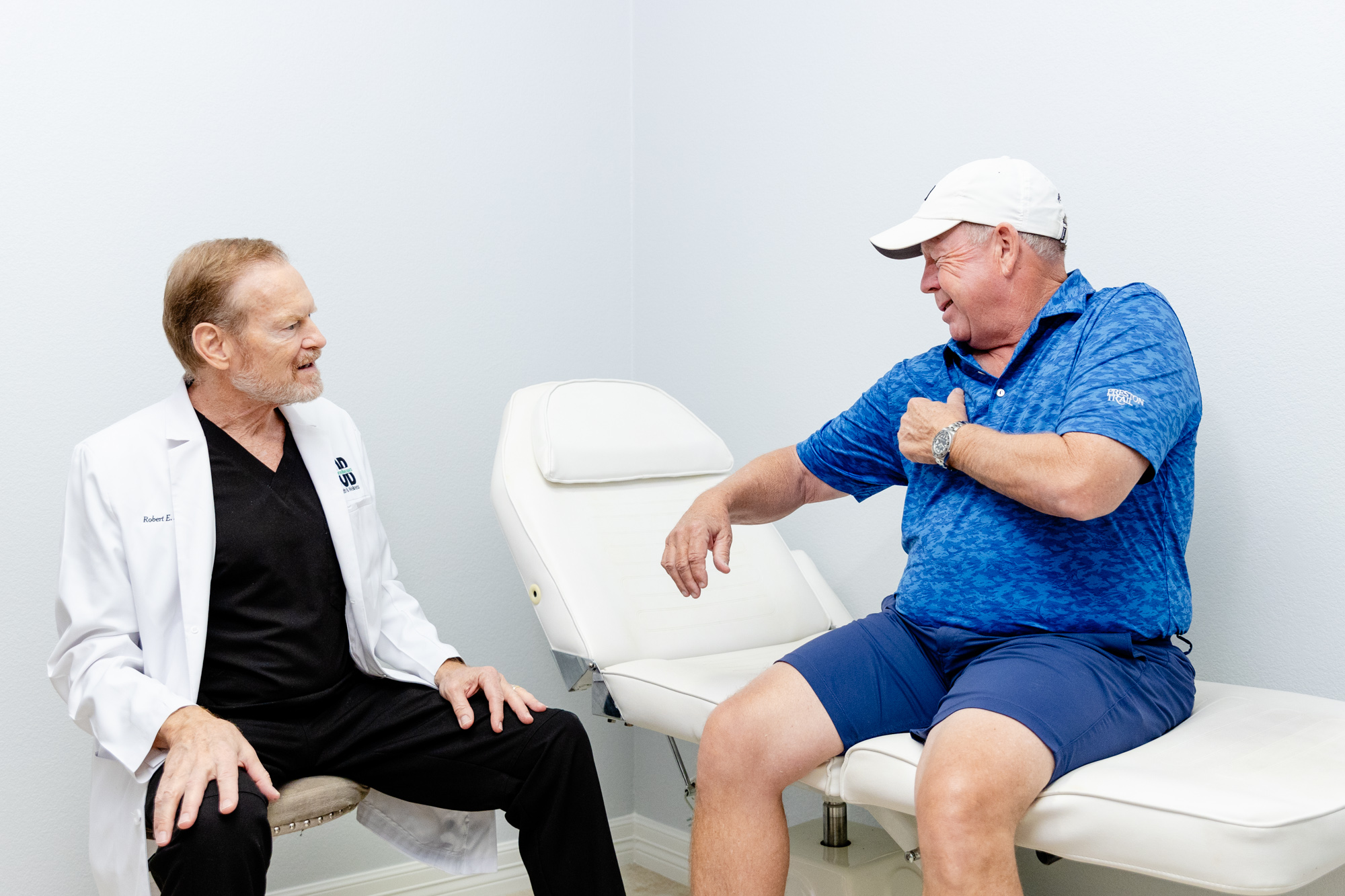
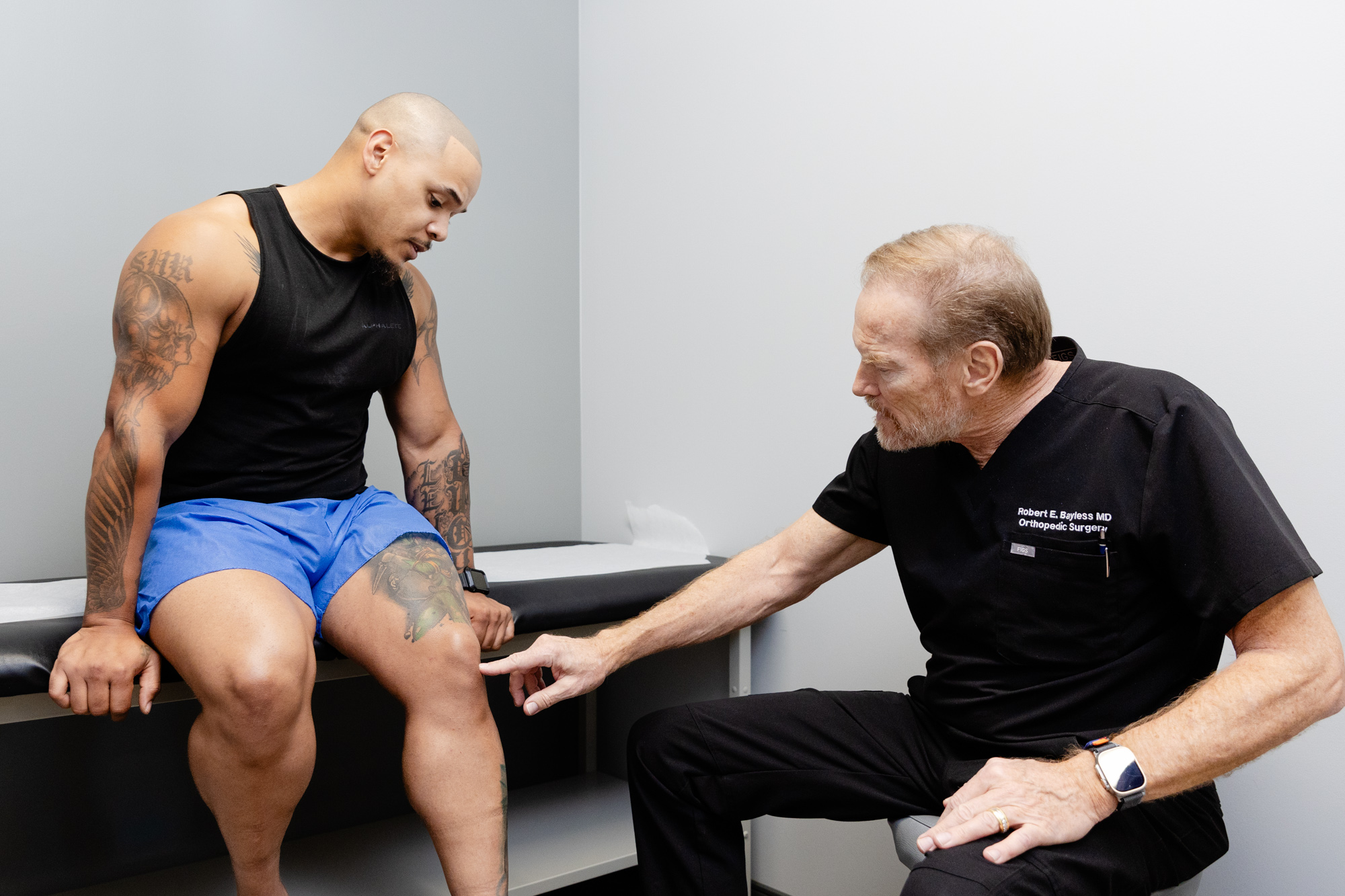
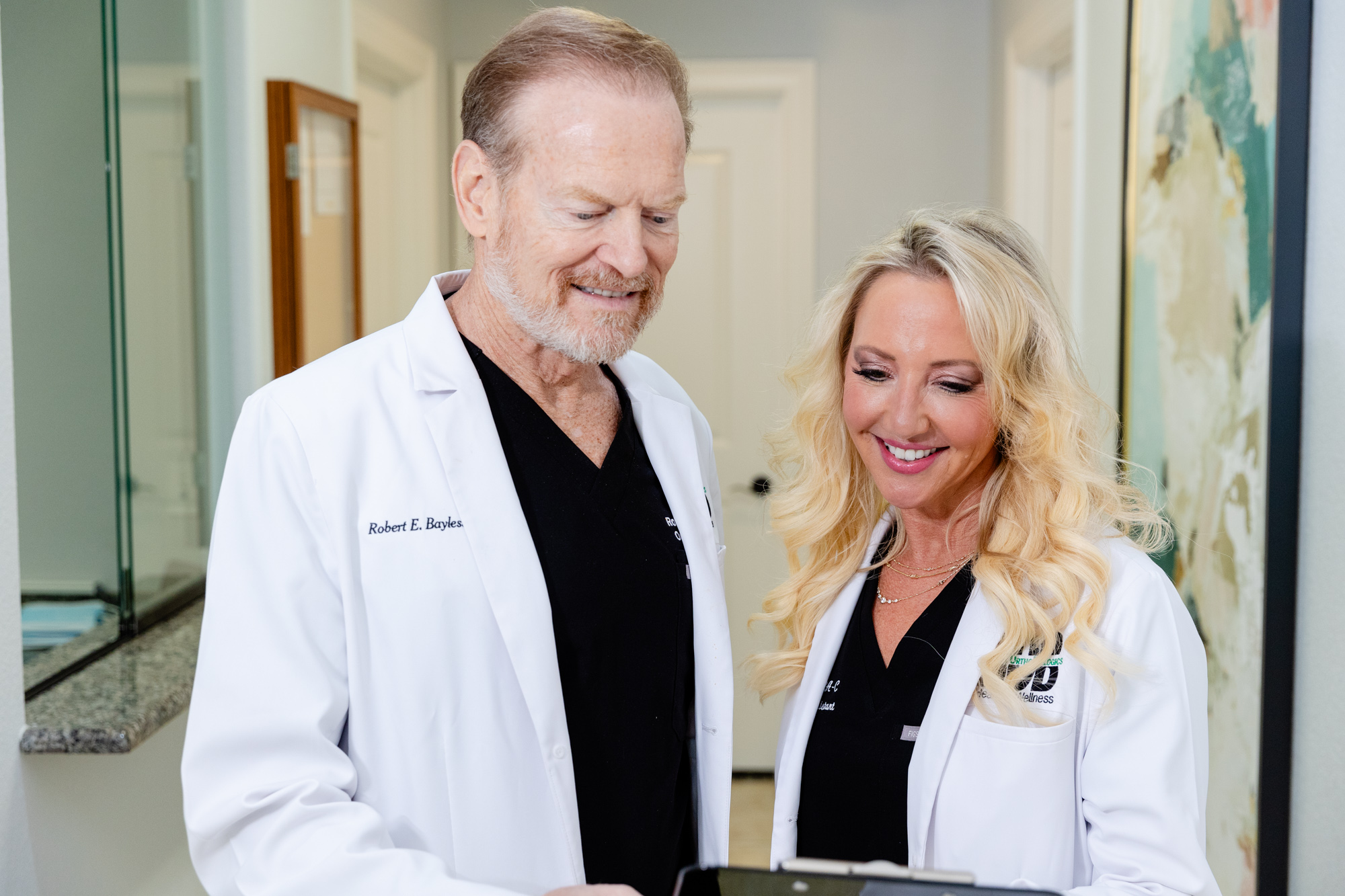
Your journey to better mobility starts with a one-on-one consultation with Robert Bayless, MD, our trusted hip doctor in Southlake. During this visit, we take the time to listen to your concerns, assess how hip pain is affecting your life, review your medical history and any imaging testing.
This thorough evaluation allows Dr. Bayless and our team to pinpoint the root cause of your discomfort and create a care plan tailored to your distinct needs. By the end of your consultation, you’ll clearly understand your diagnosis, available care options, and the next steps forward.
Once you and Dr. Bayless collaboratively establish a personalized plan, we’ll move forward with the most effective nonsurgical therapies to help you regain strength, movement, and comfort. Depending on your condition, treatment may include regenerative orthobiologic injections such as PRP (Platelet-Rich Plasma), BMAC (bone marrow aspirate concentrate), or prolozone therapy to promote healing and ease inflammation.
For patients needing additional assistance, we integrate sports medicine and physical therapy guidance, focusing on setting the hip and surrounding muscles to improve overall function. We also offer specialized pain management solutions, including target injections that relieve discomfort and restore movement, ensuring an all-encompassing approach to your recovery.
The healing process doesn’t stop once treatment is complete. At B.O.B., we prioritize enduring success by providing detailed post-care instructions and ongoing aid to help you recover optimally. Follow-up appointments allow your hip doctor in Southlake to monitor progress, make any necessary adjustments, and ensure you’re experiencing the best possible outcome. We’ll educate and equip you with the strategies to maintain mobility and strength for years to come.